Signals and Systems
 Değişken Süre
 Hemen Kaydol

This course focuses on an introduction to analog and digital signal processing, with an emphasis on filtering, sampling, and system analysis.
Introduction to Signals and Systems
-
Course Description
Course Schedule
-
Curriculum
Course Videos
-
Lecture 1: Introduction
-
Lecture 2: Signals and Systems
-
Lecture 3: Convolution
-
Lecture 4: Properties of Linear, Time-Invariant Systems
-
Lecture 5: Systems Represented by Differential Equations
-
Lecture 6: Continuous-Time Fourier
-
Lecture 7: Fourier Transform Properties
-
Lecture 8: Discrete-Time Fourier
-
Lecture 9: Filtering
-
Lecture 10: Continuous-Time Modulation
-
Lecture 11: Demonstration of Amplitude Modulation
-
Lecture 12: Discrete-Time Modulation
-
Lecture 13: Sampling
-
Lecture 14: Interpolation
-
Lecture 15: Discrete-Time Processing of Continuous-Time Signals
-
Lecture 16: Discrete-Time Sampling
-
Lecture 17: The Laplace Transform
-
Lecture 18: Continuous-Time Second-Order Systems
-
Lecture 19: The z-Transform
-
Lecture 20: Mapping Continuous-Time Filters to Discrete-Time Filters
-
Lecture 21: Butterworth Filters
-
Lecture 22: Feedback
-
Lecture 23: Feedback Example: The Inverted Pendulum
About This Course
Offered by MIT, Signals and Systems provides both a theoretical and practical foundation for the analysis of continuous-time and discrete-time signals and systems. It covers signal processing techniques that play a critical role in numerous fields such as electrical and electronics engineering, communications, image processing, audio processing, defense industries, and consumer electronics.
The course begins with time-domain and frequency-domain representations of signals and systems, and examines in detail the relationships between these representations through the Fourier transform and its generalizations. Concepts such as sampling, modulation, filtering, and feedback in continuous and discrete-time systems are introduced through both theoretical explanations and practical examples.
The content builds a bridge between mathematical representations of signals and real engineering applications. Students gain a conceptual understanding of system analysis while learning how to structure solutions to signal processing problems. Through visual materials and simulation-supported instruction, the course aims to make abstract concepts intuitively understandable.
Prerequisites
Participants are recommended to have basic knowledge of mathematical analysis (particularly differential equations and complex numbers) and familiarity with fundamental signal processing concepts.
Instructor
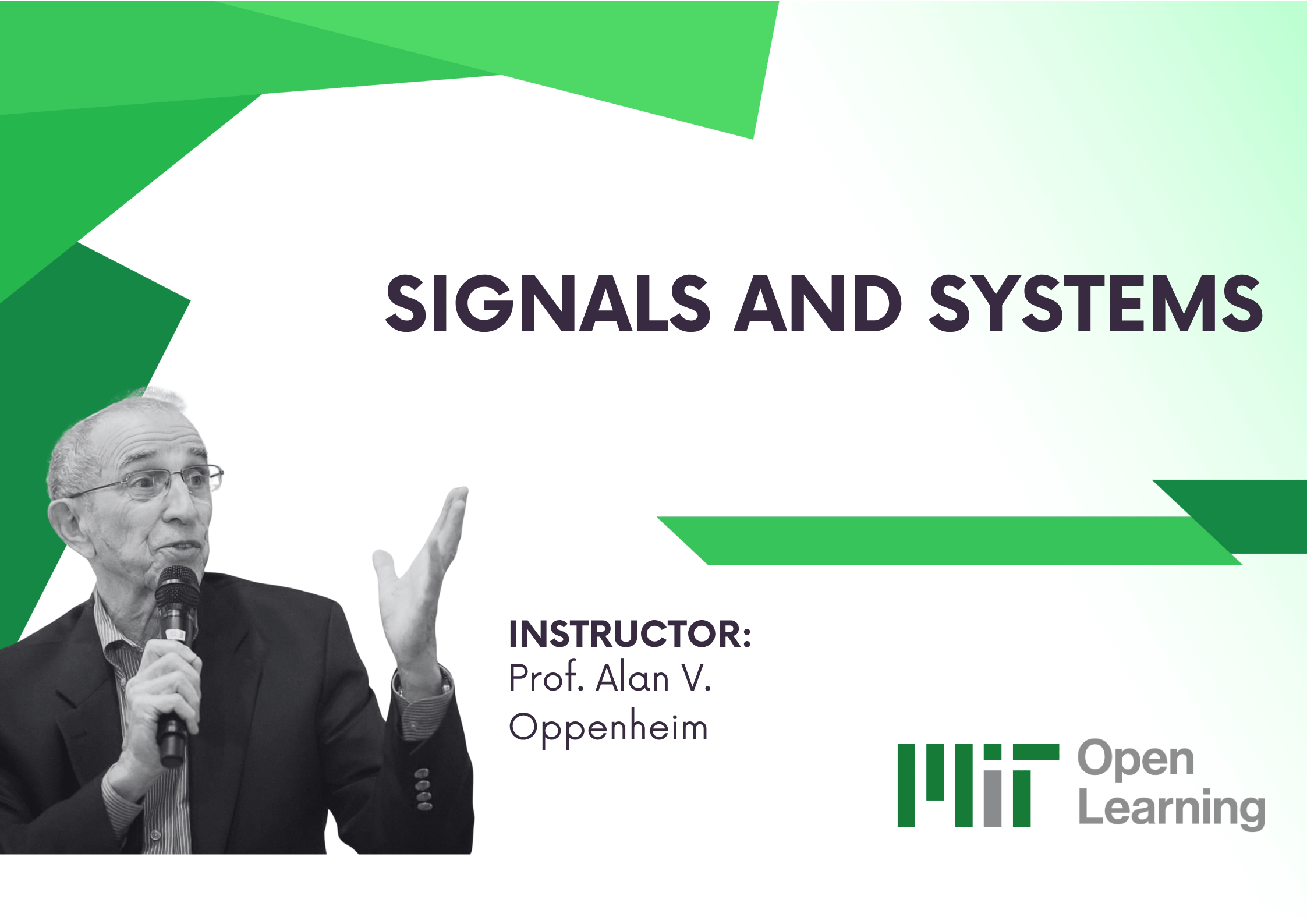
Prof. Alan V. Oppenheim, a world-renowned scholar in the Department of Electrical Engineering and Computer Science at the Massachusetts Institute of Technology (MIT), is one of the leading figures in digital signal processing. His pioneering work has had a significant impact across both academic and industrial communities.
Oppenheim’s teaching approach is distinguished by his ability to present complex technical topics in a clear, intuitive, and visually supported manner. In this course, students have the opportunity to learn the core principles of the field directly from one of its foundational contributors.
-
 Makine Öğrenimi ve Ötesi için Matris...Kişisel GelişimMIT’nin bu dersi, makine öğrenimi ve mühendislikte kullanılan matris kalkülüsünü; türevler, optimizasyon ve otomatik dif...
 726
 312
-
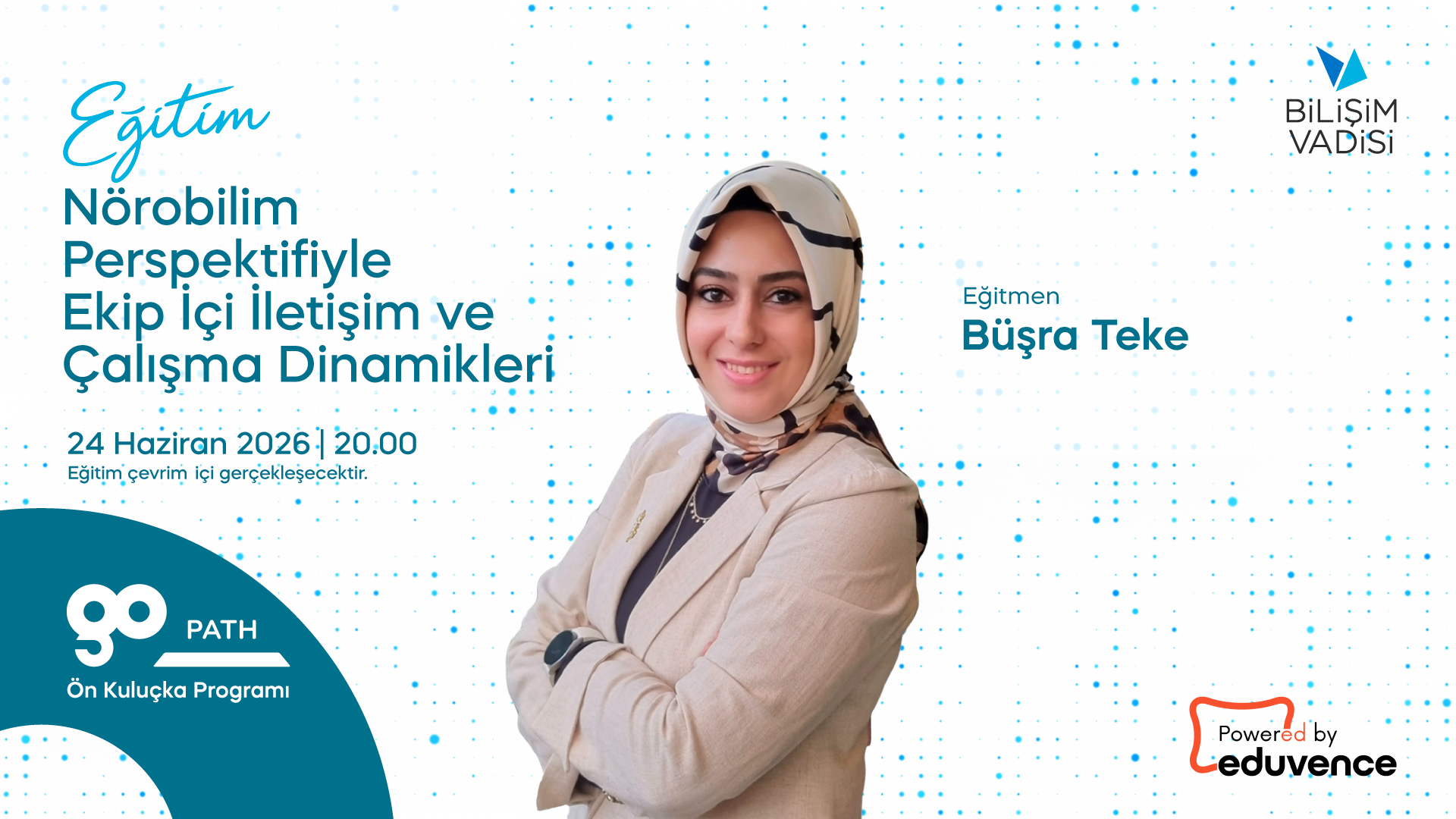 Nörobilim Perspektifiyle Ekip İçi İletiş...Kişisel GelişimEkip içi iletişim, güven, motivasyon ve karar alma süreçlerini nörobiyolojik temellerle ele alan yüksek performans odakl...
726
312
-
 Investment and Revenue ManagementKişisel GelişimThis course is a guide covering investment processes, investor questions, company valuation, post-investment management,...
726
312
Bekleyebilirsiniz?
-
 Kendi hızınızda öğrenin
Belirli bir program olmadan ve takip etmesi kolay bir yöntemle evden öğrenmenin tadını çıkarın.
-
 Ön sıra koltukları alın
Sınırsız erişimle, tekniğinizi mükemmelleştirmek için ihtiyaç duyduğunuz kadar izleyebilirsiniz.
-
 Profesyonel olarak hazırlanmış kursları izleyin
Eduvence, yüksek kaliteli, çevrimiçi bir öğrenme deneyimi sağlamak için eğitmen kadrosunu özenle oluşturur.
-
 En iyi profesyonellerden öğrenin
Yaratıcı sektördeki en iyi uzmanlar tarafından açıklanan değerli yöntemleri ve teknikleri öğrenin.
-
 Sertifikalar
Her kurs için onaylı özel bir sertifika alın. Portföyünüzde, sosyal medyada veya istediğiniz her yerde paylaşın.
-
 Bilgi ve fikirlerinizi paylaşın
Sorular sorun, geri bildirim isteyin veya çözümler sunun. Öğrenme deneyiminizi diğer öğrencilerle paylaşın.